Ferrous Metals
Steel: This is one of the most common types of scrap metal. It includes various forms of iron and steel, such as structural steel, cast iron, carbon steel, and stainless steel.

Products
Some of the Company’s trade specialties will include:
Steel: This is one of the most common types of scrap metal. It includes various forms of iron and steel, such as structural steel, cast iron, carbon steel, and stainless steel.
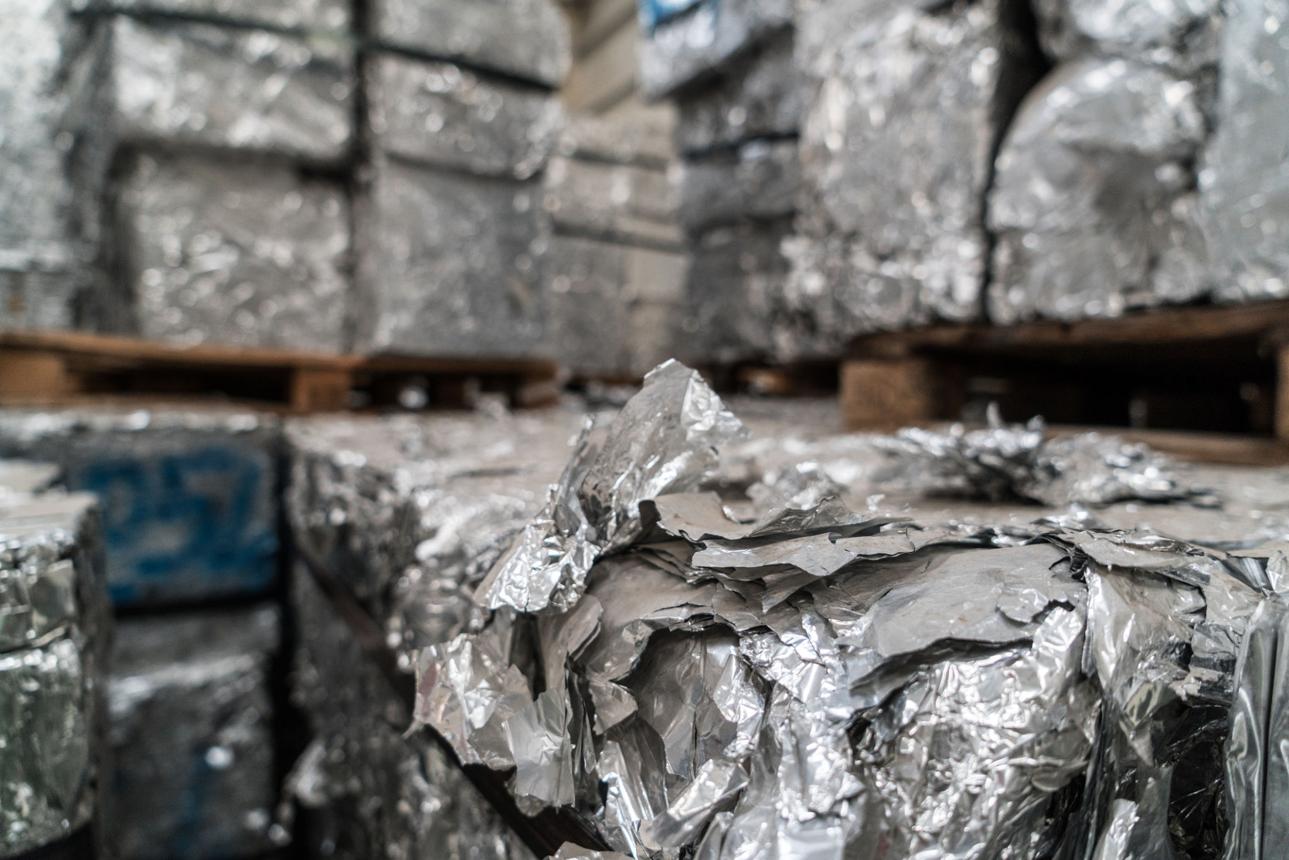
Aluminum: Aluminum scrap includes items like beverage cans, window frames, aluminum wire, and extrusions. It's known for its lightweight and corrosion-resistant properties.
Copper: Copper scrap is valuable due to its excellent electrical conductivity. It includes items like copper wire, pipes, and tubing.
Brass: Brass is an alloy of copper and zinc. Brass scrap includes items like plumbing fixtures, valves, and decorative items.
Bronze: Bronze is an alloy of copper and tin, and sometimes other metals. It's used in statues, bearings, and musical instruments.
Lead: Lead scrap includes lead-acid batteries and lead-based products.
Nickel: Nickel scrap may come from various sources, including stainless steel alloys and electronic components.
Titanium: Titanium scrap is less common but can be found in aerospace and medical equipment.
Precious Metals: These include valuable metals like gold, silver, and platinum. Precious metal scrap often comes from electronics, jewelry, and dental work.
Inconel: Inconel is a nickel-chromium alloy used in high-temperature and corrosive environments, such as aerospace and chemical processing. Inconel scrap is relatively rare but valuable.
Monel: Monel is another nickel-copper alloy known for its corrosion resistance. It's used in marine and chemical industries.
Hastelloy: Hastelloy alloys are used in aggressive chemical environments. Scrap from Hastelloy components can be highly sought after.
This category includes electronic devices and components such as circuit boards, computer components, and mobile phones. It contains various metals like gold, silver, copper, and palladium.
Old vehicles and automotive components can be a source of scrap metal. These include steel from the vehicle's body and various non-ferrous metals from engine components.
Household appliances such as refrigerators, washing machines, and ovens contain metals like steel, aluminum, and copper.
Construction and demolition waste often contain scrap metal, including steel beams, pipes, and wiring.
Agricultural equipment like tractors and irrigation systems may yield scrap metal, including steel and aluminum components.
Old railroad tracks and equipment can provide scrap metal, primarily steel.
The Oil and Gas Industry generates scrap metal from drilling equipment, pipelines, and offshore platforms.